
Product Comparison
Terrace editorial field guide
Follow an example terrace inspection from the first sketch to the final caption. Learn how to keep units, sample labels and links attached to the correct detail.
By IKE STEEL Technical Team · · Updated
Terrace editorial field guide
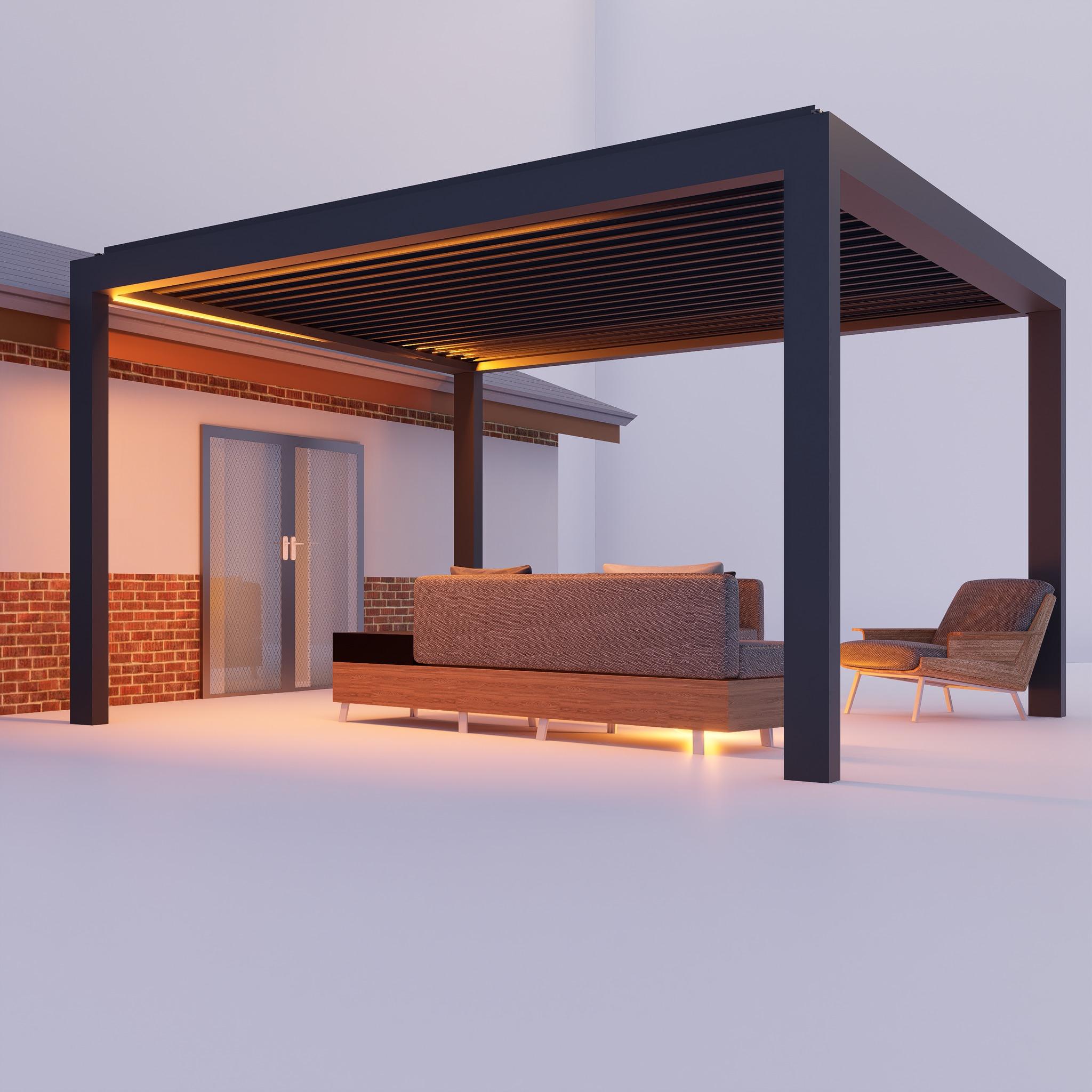
This sample notes how an editor distinguishes observations from specifications while preparing a terrace inspection article. The measurements illustrate the fictional visit; they do not rate a product.
Describe the terrace before the visit
Start with the use of the terrace. A shaded lunch area and a passageway need different descriptions.
Draw the doorway on the left of the notebook so the next reader can orient the sketch.
Record whether a planter hides the edge of the frame.
Describe the proposed wind/rain sensor in ordinary words. The slash is punctuation rather than a website link. On the sample plan a table hides part of the sill. The overview photograph is useful for orientation, but it cannot show the gap behind the table. In the working notes, distinguish the visible face from the part that still needs a closer photograph. The same distinction helps a visitor reading the shorter version: a clear description of one joint tells them more than an unsupported claim about the entire frame.
When the notebook says 20 m/s, keep that example separate from any claim about a roof.
Mark a visible gap of 2.5mm on the sample detail.
Leave room to add a photograph after the visit.
Summarize which observations remain uncertain before writing the next section.
Trace the route of the water
Begin under the eaves and follow the visible channel toward the outlet.
Use a separate line for a section concealed by cladding.
If a puddle remains near a step, describe its position without guessing its cause.
Write 30 mm/h as a sample weather reading, not as a drainage capacity. At the corner the sample channel turns behind a cover. Describe the visible opening and mark the next section as concealed. Do not draw a continuous drainage path merely because the outlet appears lower on the page. If the second photograph was taken from the opposite side, identify that change of viewpoint in the caption. Otherwise an editor may reverse the direction of the arrow when translating the guide.
Compare the sides/top of the sample fitting in the photograph.
Identify the nearest access panel by its shape, not by an invented part number.
Record whether debris prevents a clear view into the channel.
End the note at the outlet so the reader knows where the observed route stops.
Identify labels and measurements
Copy the IP54 marking from the sample label without assigning it to other hardware.
Keep the original 2.5 mm notation alongside the close photograph.
Record a 15 cm reference mark on the sketch without treating it as an installation instruction.
Describe the sample finish as RAL 7016 only when that text is on the label. One sketch uses the compact notation 2.5mm while the caption uses 2.5 mm. They describe the same sample measurement. A changed unit, however, is not a typographical difference. When transferring the caption into another language, keep the dimension beside the feature it describes. Do the same for the IP54 marking so a reader does not accidentally associate the connector label with the whole roof.
Separate a measured length from an estimate made from the photograph.
Use /en/products as the sample internal route; preserve the route while translating the surrounding sentence.
Place the notes about the sensor beside the photograph of the connector.
Flag any unreadable label for a later visit rather than filling it in from memory.
Review the opening and closing sequence
Describe what the observer saw while the demonstrator moved the sample panel.
Distinguish an audible click from a conclusion about the mechanism.
Note which edge moved first and whether the edge was visible throughout the sequence.
When comparing wet/dry surfaces, describe their appearance separately. The demonstration notes contain an opening observation, an intervening pause and a closing observation. If the visitor can see only the first movement, say so explicitly. Describing the later movement as a separate observation prevents a translator from implying that the panel completed a cycle without interruption. The wind/rain label may be translated as ordinary prose, but a route such as /en/products must remain intact.
Treat the written speed as an observation from the display.
Use a second paragraph if another panel followed a different sequence.
If a person blocked the view, state what the observer could not see.
Conclude with the one movement that needs a clearer photograph.
Inspection checklist after changing weather
Start a new checklist if the terrace was inspected on a different day.
Compare the latest photograph with the preceding observation.
Name the frame member before describing the small mark on its face.
Keep the original caption if it still identifies the right view. The earlier view is a reference, not a record of the later weather event. If the latest photograph shows a mark absent from the earlier image, identify the area and the date of observation in the editorial notes. Do not attribute the mark to a particular cause without separate evidence. In another language the heading should still describe an inspection after changing weather, rather than simply repeating the English title.
Record the position of the movable shade without predicting its next setting.
If the reference line is obscured, mark the measurement as unavailable.
Avoid assigning a cause to a scratch simply because rain fell overnight.
List the missing view that would let the next editor complete the description.
Questions for the next editor
Which route should the reader follow to the product list?
Use /en/products for the list and explain what the reader will find there.
Why keep the space between a number and its unit?
Both forms of the sample measurement describe the same distance; the translated sentence should not change the unit. An editor reviewing the finished guide should be able to point to the same sample component in the caption, the question and the final illustration. If two descriptions disagree, revisit the notes before publication. Keep a part number or measured unit intact, translate the surrounding explanation, and check that the destination of the product link is still the website path the reader expects.
Does a sample label establish a rating for the complete terrace?
No. The label describes that sample component, not the performance of the structure.
Which detail should appear in the final photograph?
Choose the outlet or reference mark that the written account identifies most precisely.
Does the sample label rate the entire roof?
No. The label identifies only the sample connector. Keep the connector and the roof separate in the description.
Product recommendation
Product paths for this topic
Project references
See related application paths
Related paths